
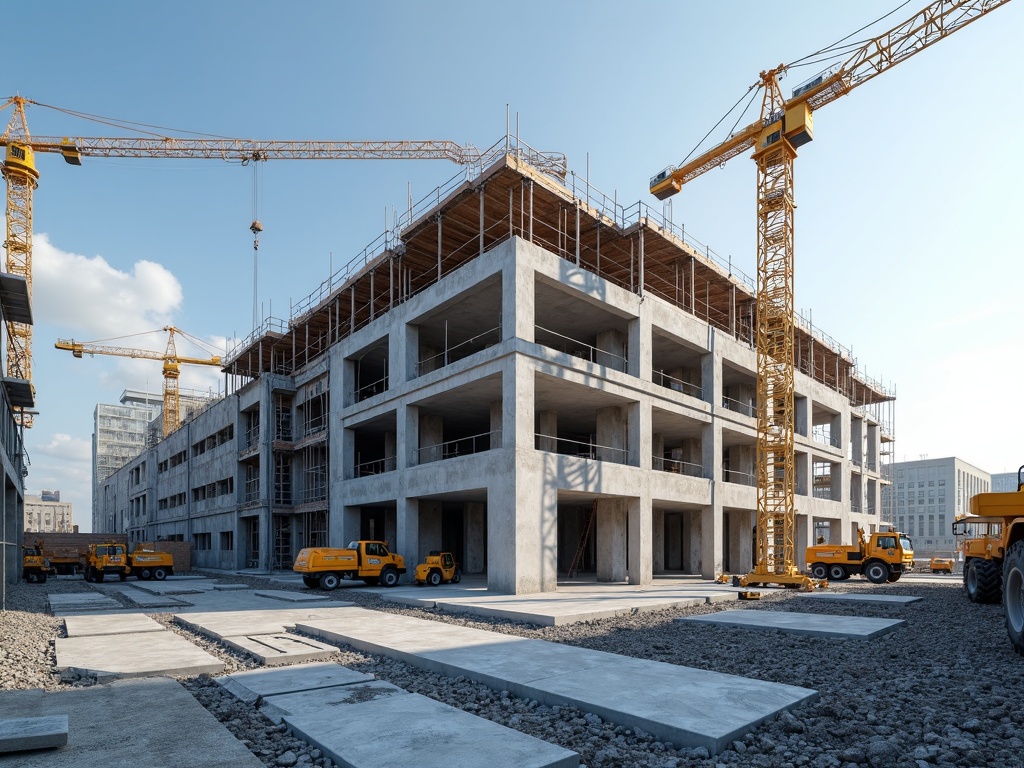
Getting Commercial Construction Projects Done Right the First Time
With commercial construction, there’s little room for error. When a developer embarks on a new office building, retail center or industrial site, the timeline is just as critical as the budget. Delays mean lost rental income, annoyed tenants and increased carrying costs. Therefore, when it’s time to get to work, getting it right is not just precedent—it’s part and parcel to success.
What differentiates some projects from others that constantly encounter stumbling blocks is effective communication and equipment selections. Those contractors who know they’re reputable and always in demand understand that many steps must be properly executed—even when timelines are tight.
Where Quality Matters Most
Concrete projects set the stage for everything else in commercial construction. A parking garage, warehouse pad or building foundation requires certain strength levels and durability. Concrete can be mixed and poured appropriately, but if consolidation is neglected, voids and air pockets render the project useless.
This is where the right equipment makes all the difference. Using quality electric vibrators during concrete placement ensures thorough compaction and removes trapped air that would otherwise weaken the final product. It’s not the flashiest part of construction, but it’s one of those critical steps that determines whether a structure performs as designed for decades or develops problems within years.
The same is true with material handling around the job site. Aggregate sand or other materials that flow freely through hoppers and bins keep the job moving at a desired pace. When materials bridge, however, and get stuck, suddenly crews are stuck waiting for an obstruction to clear rather than continually making progress.
Planning That Prevents Problems
Smart project managers build quality assurance measures into their schedules rather than hoping for the best. They recognize the need for appropriate curing times, adequate equipment for task size and sufficient manpower to avoid shortcuts.
Rushing concrete pours and neglecting consolidation techniques saves an hour today, but jeopardizes months’ worth down the line. If comps are tested for compaction and density standards and come back uneven, the solution is expensive: repairs, reinforcements or, in some cases, removal and replacement.
Those contractors with strong reputations don’t leave this to chance. They use equipment that’s been proven time and again across thousands of projects. Established procedures ensure effective results, and timelines are built in from day one to accommodate what’s needed. It sounds simple—but delivering fundamentals time and again each day separates reputable contractors from those who cultivate inevitable mistakes.
In addition to weather-related concerns, site logistics and material delivery schedules need to be factored in as well. Projects that anticipate problems proactively avoid inevitable workplace frustrations down the line. For example, if something will take three hours, a seasoned contractor will anticipate that it might take four or five due to variability. Having a plan in place helps keep projects moving forward.
The Real Cost of Delays
Moreover, when commercial construction projects sustain delays, it’s never good for anyone financially. The developer is paying interest on construction loans while no one is using the building yet. Future tenants might have signed leases set to start on a certain date; marketing campaigns get foiled by unforeseen timelines.
Beyond financial implications, there are reputations at stake. Commercial real estate relies on relationships to promote future business. Developers remember which contractors delivered as expected and which ones complicated the process. General contractors remember which subcontractors are best entrusted with critical work.
Those contractors with steady work are usually the reliable ones for effective delivery. They are rarely the lowest bidders but they’re the ones who finish on time, meet specifications and don’t cause unexpected expenses or delays. That reputation is more valuable than any single project.
It takes time to build a reputation; however, it takes only one troublesome project to destroy a reputation. Delays spread quickly, as do quality concerns. Commercial work usually encompasses multiple stakeholders with significant investment—and trust must be maintained as much as technical ability.
Equipment Investment That Pays Off
Quality tools cost money up front, but do the calculations over time, and it pays off. Contractors who procure proper vibration equipment for concrete work deliver uniformly dense, well-compacted results. They almost always pass tests; inspectors rarely flag issues; work passes inspection and production continues smoothly.
Conversely, when insufficient tools or shortcuts fail inspections—or require rework for critical assessments—it’s even more costly in terms of time than it would have been up front with appropriate equipment.
The same goes for materials handling equipment, formwork systems and other construction devices used throughout the process. Failures fail to make up time later—scheduling across an entire project inevitably suffers when marginal tools interfere with workflow. When commercial work relies on timely execution to make an effort feasible, dependable equipment directly impacts profitability.
In addition, reliable equipment performs as expected with fewer breakdowns. Well-maintained pieces of equipment suffer less frequently from poor performance failure. Contractors who treat their tools as investments rather than disposable items succeed in proactive management—lower overhead costs accrue with fewer time wastes by not having the right tools when they were needed most.
Building Long-Term Success
Wherever there is commercial construction work going on it amounts to millions of dollars from various stakeholders. Developers are investing large sums of money; banks are funding project needs; future tenants are planning buildouts. Everyone wants this project done on time—and they want it built to last.
Those who deliver consistently build a reputable reputation—and reputable reputation leads to repeat contracts from loyal companies. They’re most often contacted first when new projects get underway; their proposals receive serious consideration even when they’re not competitively bidding because their track record proves they’ve delivered value.
Getting commercial construction done right the first time isn’t about perfection—it concerns proven processes, quality tools and enough advanced planning not to allow preventable problems occur. The contractors and project managers who embrace this philosophy build better buildings—and better businesses. Commercial development continues on—and those projects done right have long-standing ramifications for all invested parties.