
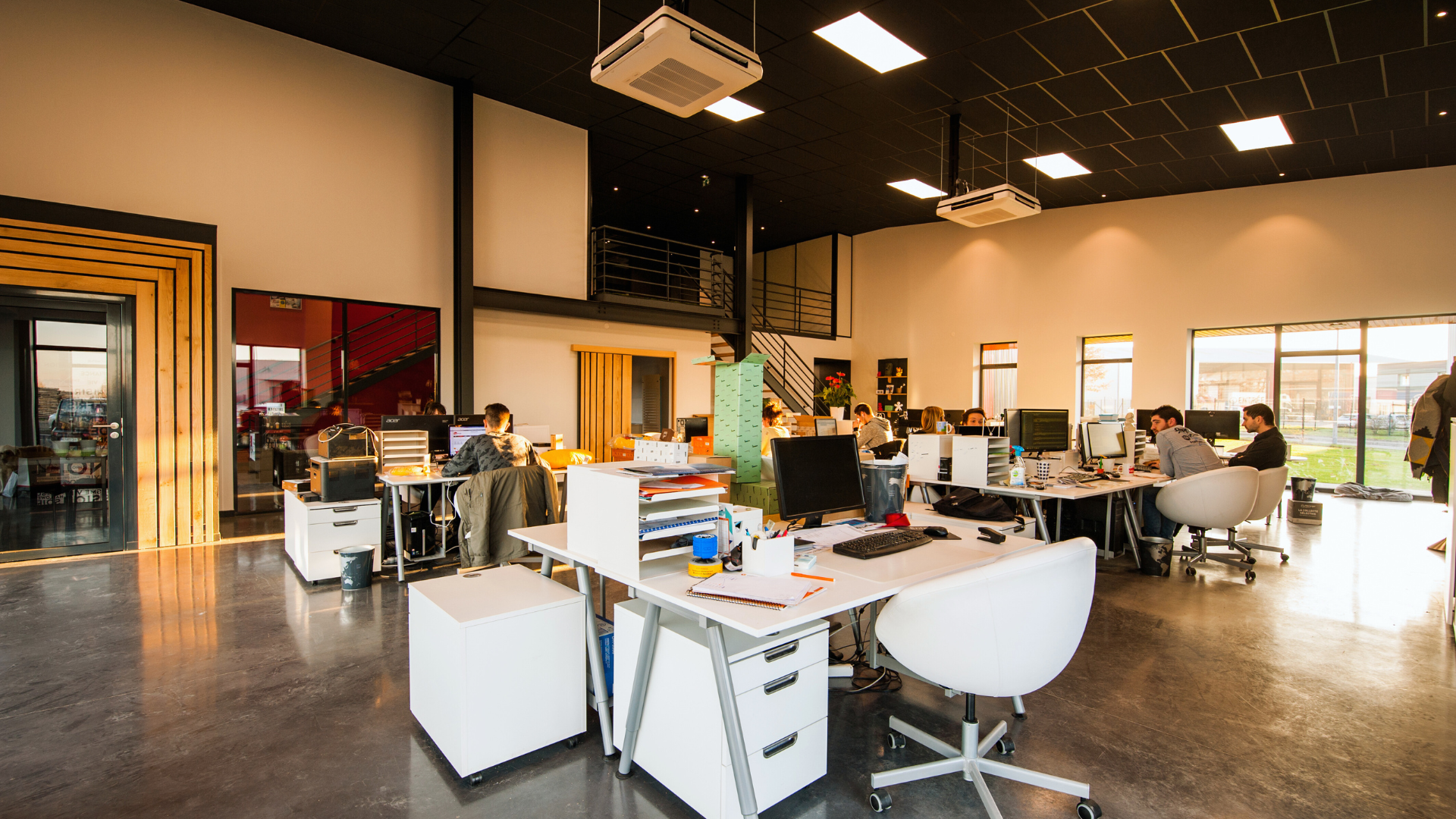
Finding an office space that fits your needs involves understanding your business requirements, budget, and location preferences clearly. The key is to match the space’s size, facilities, and lease terms to the company’s current and future demands.
It is also important to consider factors like accessibility for employees and clients, available amenities, and the flexibility of the lease. Organisations that plan ahead and prioritise these elements will avoid costly mistakes.
By focusing on practical and specific criteria, the search for the right office becomes manageable and effective. This approach ensures the workspace supports productivity without unnecessary expenses or compromises.
Defining Your Office Space Requirements
Understanding the specific needs of the business is critical before selecting an office space. This involves considering current team size, future growth plans, essential facilities, and the desired balance between flexibility and workspace layout.
Assessing Team Size and Future Growth
The size of the team directly influences the amount of office space required. Business owners should calculate the number of workstations needed, factoring in private offices, desks, and meeting rooms.
Planning for future growth prevents frequent relocations. If the team is expected to expand by 20-30% in the next 1-2 years, the office should accommodate this increase comfortably without overcrowding.
It’s essential to consider both functionality and productivity. Too little space can constrain collaboration, while too much may increase costs unnecessarily.
Identifying Key Amenities and Facilities
The presence of specific amenities impacts employee satisfaction and productivity. Business owners should list must-have features such as high-speed internet, meeting rooms, breakout areas, and kitchen facilities.
Accessibility and security measures are also vital. Features like secure entry, parking availability, and proximity to public transport affect daily convenience and safety.
Additional facilities, like on-site gyms, cafés, or green spaces, can enhance innovation and collaboration, but these must align with the company culture and budget.
Balancing Flexibility and Workspace Design
Flexible office layouts can adapt to changing business needs. Business owners must decide between open-plan spaces, private offices, or hybrid models based on how their teams work best.
Modular furniture and movable walls enable quick reconfiguration, supporting both teamwork and focused tasks. This adaptability is especially important for companies emphasising innovation.
Balancing flexibility with design consistency ensures spaces remain functional and aesthetically cohesive to support employee well-being and productivity.
Evaluating Location and Accessibility
Selecting office space involves weighing factors that directly impact daily operations, employee satisfaction, and client engagement. A suitable location balances convenience, cost, and practical access to key services.
Choosing a Strategic Office Location
Business owners should prioritise areas that enhance productivity through reduced commute times. Central business districts often offer prestige but can come with higher rents and more congestion.
Choosing emerging commercial zones can provide cost benefits and room for expansion. The decision should align with the industry’s nature and client base, ensuring the office facilitates efficient meetings and collaboration.
Understanding Transport Links and Parking
Accessible transport options influence employee punctuality and client visits. Proximity to major bus routes, underground stations, or train networks can broaden recruitment possibilities and ease access.
Adequate parking, whether on-site or nearby, supports those who commute by car. For businesses with frequent deliveries or visits, loading bays and parking permits should also be evaluated.
Considering Proximity to Amenities
Nearby amenities like cafes, banks, gyms, and post offices support staff welfare and convenience. Easy access to such facilities can improve morale and reduce time lost during breaks.
Services like childcare or medical centres may be crucial depending on the workforce’s needs. A surrounding environment that reflects the company’s values can also influence corporate identity positively.
Understanding Lease Terms and Property Management
Choosing the right office space depends significantly on the lease conditions and the quality of property management. Business owners must examine costs, contract details, and the responsiveness of those managing the property to avoid future complications.
Reviewing Lease Agreements and Costs
The lease agreement is a legal document outlining obligations for both tenant and landlord. Business owners should carefully review key points such as lease duration, rent amount, rent escalation clauses, and additional charges like service fees or maintenance costs.
It is important to clarify who is responsible for repairs, insurance, and property taxes. Understanding penalties for early termination or subletting restrictions can prevent unexpected expenses.
Creating a comparison table of costs and terms between different office spaces helps in spotting the most financially viable option without hidden fees.
Negotiating Terms and Flexibility
Negotiation can secure more favourable lease terms and better accommodate a business’s growth plans. Flexibility in lease length, renewal options, and rent increases is crucial for long-term needs.
Business owners should ask for options to expand space or make improvements. It is beneficial to negotiate a clause that allows early lease termination with minimal penalty to avoid being locked into an unsuitable location.
Some landlords are open to discussing property customisation or shared amenities. Clarity on these points before signing avoids surprises later.
Assessing Property Management Quality
Effective property management directly impacts daily operations and tenant satisfaction. Business owners should research the management’s responsiveness, maintenance routines, and communication.
Checking reviews or speaking with current tenants can reveal how promptly repairs are handled and whether common areas are well-maintained. Good property managers enforce lease rules consistently and provide clear channels for reporting issues.
A property management team that proactively maintains the premises reduces downtime and supports a professional business environment.
Enhancing Productivity and Innovation in Your Office
Improving productivity and encouraging innovation require thoughtful attention to the office environment. Specific design choices and technological integration play crucial roles in shaping how effectively teams work and create together.
Designing for Collaboration and Wellbeing
An office that promotes collaboration should include open areas like communal tables and breakout zones. These spaces encourage spontaneous discussions and idea sharing without disrupting focused work.
Natural light and ergonomic furniture directly impact employee well-being and productivity. Adjustable desks and comfortable seating reduce fatigue, allowing longer periods of concentration.
Acoustic considerations are vital. Quiet zones and soundproof meeting rooms help minimise distractions, supporting both collaboration and individual work.
Key design elements include:
- Open-plan areas for teamwork
- Private spaces for focused tasks
- Access to natural light
- Ergonomic furniture
- Noise management solutions
Utilising Technology and Connectivity
Reliable, high-speed internet and robust Wi-Fi coverage are essential for seamless communication and data sharing. They enable video conferencing, cloud collaboration, and real-time project updates.
Integrating collaborative software platforms, such as project management and instant messaging tools, streamlines workflows and keeps teams aligned regardless of location.
Smart office solutions, like automated lighting and climate control, enhance comfort and reduce energy consumption. This also contributes to a healthier workplace atmosphere, boosting overall productivity.
Essential technology factors:
| Technology | Purpose |
| High-speed internet | Enables fast communication and uploads |
| Collaboration software | Facilitates task management and chats |
| Smart office systems | Controls the environment for comfort |