
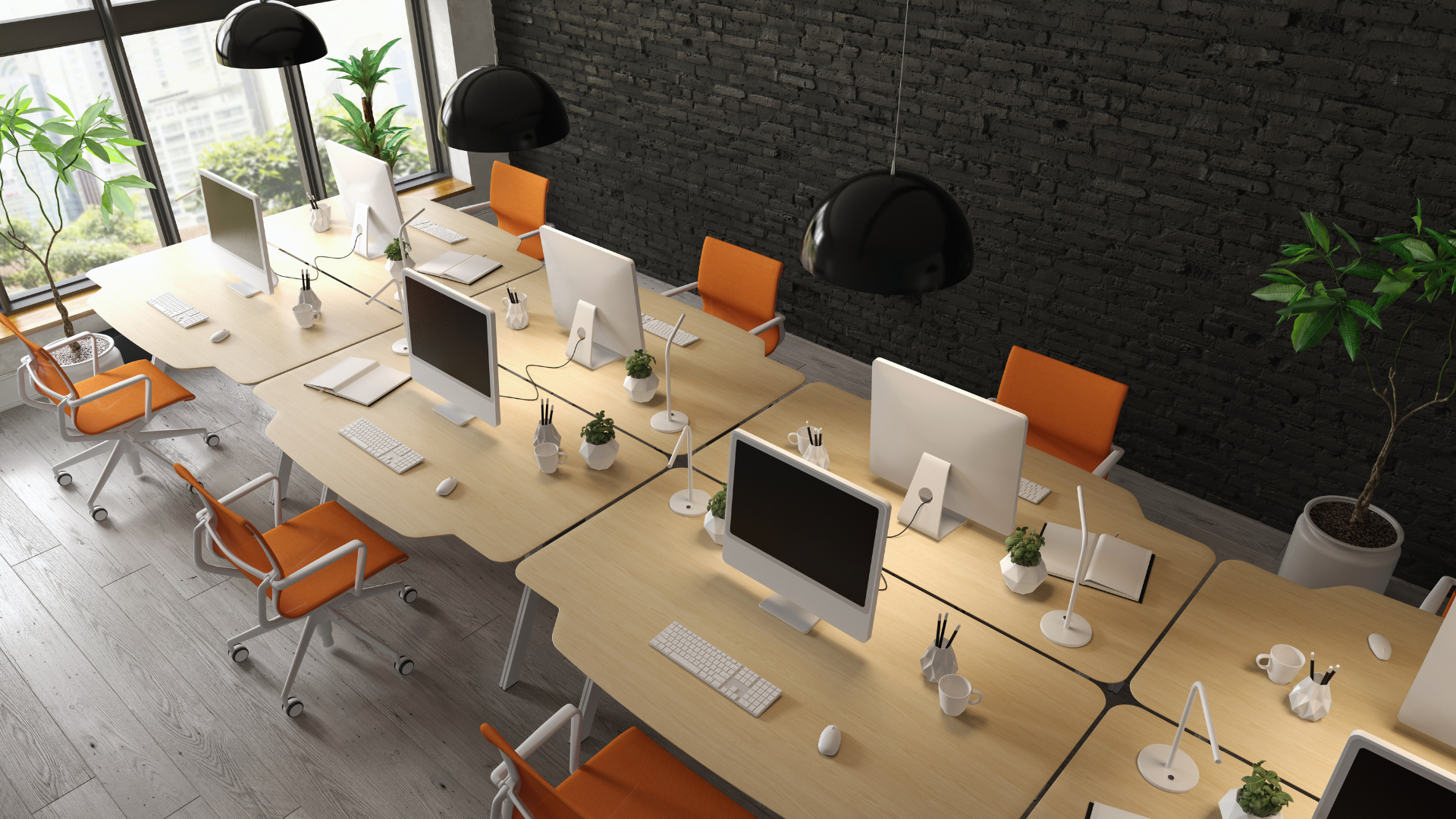
Choosing the right office furniture is essential for creating a productive and comfortable work environment. It involves considering factors such as ergonomics, space, style, and budget to ensure both functionality and design fit the needs of the team.
The best approach is to prioritise furniture that supports good posture, maximises available space, and aligns with the company’s work culture and aesthetic. This helps reduce discomfort and boosts efficiency throughout the workday.
Understanding the specific requirements of the office, including the types of tasks performed and employee preferences, makes the selection process more effective. This ensures the investment benefits everyone who uses the space.
Understanding Your Office Requirements
Choosing the right office furniture begins with a clear understanding of the available space, employee tasks, and future demands. These factors determine the functionality and comfort of work areas, such as meeting rooms, workstations, and break zones.
Evaluating Space and Layout
The size and shape of the office space impact the choice of furniture significantly. An open-plan office may require modular desks and lightweight partitions to maintain flow and flexibility. Conversely, smaller offices benefit from compact, multi-functional furniture that maximises every square metre.
Attention to traffic flow is critical. Furniture should not obstruct pathways between cubicles, meeting rooms, or break areas. Using floor plans helps visualise how workstations and storage units fit, ensuring equipment does not overcrowd the space. This becomes especially relevant during office refits or phased furniture upgrades, where older pieces need to be cleared before new ones arrive. Rather than letting displaced items stack up and disrupt daily operations, businesses can choose to work with an experience storage provider to hold furniture off-site temporarily, keeping the workspace functional and the transition manageable throughout the process.
Incorporating adjustable furniture can accommodate varied needs within limited office layouts. Desks with built-in storage or movable panels are practical solutions in tight spaces or shared environments.
Assessing Employee Roles and Functions
Different roles demand specific furniture designs. For example, staff who spend long hours at computers need ergonomic chairs and desks with adjustable heights to reduce strain. Employees in collaborative positions may require round tables and comfortable seating in meeting rooms or open-plan zones.
Cubicles suit roles requiring focus and privacy, while open-plan offices encourage communication and teamwork. Furniture choice should reflect these needs.
Break areas also require consideration; providing lounge chairs or cafeterias with durable tables supports employee well-being and social interaction, impacting overall productivity.
Planning for Future Growth
Furniture should be chosen with adaptability in mind. If the business anticipates expanding staff numbers, selecting modular and scalable items supports evolving office layouts without costly replacements.
Storage solutions need flexibility, allowing easy addition or removal as inventory and paperwork fluctuate. Mobile filing cabinets or stackable shelving can be moved as required.
Additionally, consideration of emerging work trends, such as hot-desking or hybrid working styles, influences the need for versatile furniture that supports varied work settings quickly and efficiently.
Managing Furniture During Office Changes
Office furniture decisions often involve more than choosing desks, chairs, and storage units. During refits, relocations, refurbishments, or departmental reshuffles, businesses may also need a practical way to keep furniture, equipment, records, and surplus items secure while the workspace is being reorganised.
For companies that need temporary space without moving everything to a distant facility, portable containers and trailers can provide a useful on-site option. Providers such as Storage On-Site support business storage needs by giving teams a way to manage overflow, renovation materials, or office equipment close to the workplace while day-to-day operations continue.
During these office renovations, teams often discover issues with the subfloor once the old carpeting or tiling is removed. An uneven subfloor makes it difficult to set up modular desks and filing cabinets properly. Professional floor leveling solves this problem by creating a flat, stable surface for the new installation. This step prevents furniture from wobbling and protects the new floor coverings from premature wear. Addressing floor issues early in the renovation process keeps the project on schedule.
Prioritising Ergonomics and Employee Well-Being
Choosing office furniture with a focus on ergonomics directly impacts employee health and comfort. Well-designed furniture reduces strain and supports sustained productivity while minimising injury risks.
Selecting Ergonomic Chairs and Desks
Ergonomic chairs should offer adjustable features, including seat height, lumbar support, armrests, and backrest angle. Adjustable chairs accommodate different body sizes and promote correct posture.
Desks also need to be flexible. Sit-stand desks allow employees to switch between sitting and standing, encouraging movement and reducing the hazards of prolonged sitting. The desk height must be adjustable to keep wrists and arms in a natural position.
Investing in these ergonomic office furniture basics reduces discomfort and supports long-term well-being.
Preventing Repetitive Strain Injuries
Repetitive strain injuries (RSIs) result from sustained, awkward postures or repetitive motions. Ergonomic solutions help prevent these conditions by promoting neutral positions and movement variety.
Using adjustable chairs and desks creates a customised workspace where employees avoid excessive reaching or bending. Regular breaks and proper positioning of keyboard and mouse also mitigate RSI risks.
Employers should prioritise ergonomics to decrease absenteeism and enhance employee health.
Supporting Productivity and Comfort
Comfortable work environments increase focus and task efficiency. Ergonomic office furniture reduces distractions caused by discomfort or pain.
By selecting chairs and desks that fit individual needs, employees experience less fatigue. This contributes to sustained attention and improved output.
Integrating ergonomics fosters a healthier workplace culture that values employee well-being alongside productivity goals.
Choosing the Right Office Furniture Styles and Features
Selecting office furniture involves considering both function and appearance to create a productive workspace. Key elements include the types of furniture needed, balancing usability with design, adopting modular systems, and improving the overall office environment.
Exploring Types of Office Furniture
An office desk is often the focal point. It should offer enough surface area for essentials like computers, documents, and stationery. Filing cabinets are crucial for organising paperwork and maintaining a clutter-free space. For group meetings, conference tables must fit the room size and seating capacity.
Choices vary by office type: executive desks tend to be larger and more ornate, while adjustable desks support ergonomic needs. Selecting furniture that matches the work style and space requirements supports daily workflows.
Balancing Functionality and Aesthetics
Office furniture must serve practical functions without compromising visual appeal. Chairs should be comfortable and promote good posture, reducing strain during long hours. Desks and cabinets should be durable, made from reliable materials like solid wood or high-quality laminates.
Colour schemes and finishes impact the atmosphere. Neutral tones like greys and browns create a professional look, while bold colours may energise a creative office. The style should reflect the company’s identity, supporting a consistent office design.
When it comes to storage specifically, the material and construction of cabinets can make a significant difference to both longevity and workspace aesthetics. Metal cabinets in particular are a popular choice for offices that prioritise durability and a clean, utilitarian look. Those in the market for this type of storage may find it useful to browse specialist retailers such as those found at https://www.metalcabinetstore.com/ or similar providers, comparing ranges to find options that align with the office’s functional needs and overall design direction.
Incorporating Modular and Modern Solutions
Modular furniture allows flexibility and easy reconfiguration, fitting dynamic office layouts. Desks with adjustable heights, movable partitions, and stackable storage units adapt to changing needs. Modern office furniture often incorporates technology integration, such as cable management features and built-in charging ports.
Such solutions enhance workflow, optimise space, and support collaborative work. Choosing modular units helps future-proof the office environment against growth or restructuring.
Enhancing Your Office Environment
The right furniture contributes to a positive office environment by encouraging productivity and well-being. Proper lighting combined with ergonomic chairs and desks reduces fatigue. Incorporating plants or natural materials can soften the interior, making the space inviting.
Noise levels may be managed with sound-absorbing panels or furniture layouts that create quiet zones. Overall, the furniture selection must align with the office’s operational goals and promote a comfortable, efficient workspace.
Additional Considerations for Your Office Furniture Selection
Choosing the right office furniture involves more than just style and comfort. It requires attention to budget constraints, sustainable options, alignment with corporate identity, and the quality of customer support to ensure long-term satisfaction.
Budgeting and Long-Term Value
A clear budget helps guide furniture choices and prevents overspending. It is important to consider not only the initial purchase price but also durability and maintenance costs.
Investing in quality materials may have a higher upfront cost, but it reduces replacement frequency. Budget planning should factor in potential repairs, warranties, and how the furniture might adapt to future office needs.
Using a comparison table listing price, warranty length, and expected lifespan can clarify value. For example:
| Furniture Type | Average Cost (£) | Warranty (Years) | Expected Lifespan (Years) |
| Ergonomic Chair | 150 – 400 | 3 – 5 | 7 – 10 |
| Office Desk | 200 – 600 | 5 – 7 | 10 – 15 |
Sustainability and Eco-Friendly Choices
Selecting sustainable office furniture supports environmental responsibility and often leads to healthier workspaces. Look for products made from recycled or responsibly sourced materials, such as FSC-certified wood or recycled metals.
Eco-friendly finishes and low-VOC adhesives reduce indoor air pollution. Some manufacturers offer take-back or recycling programmes to manage furniture disposal responsibly.
A focus on sustainability can boost employee morale and reflect positively on the company’s public image. Verification through third-party certifications guarantees genuine eco-friendly claims.
Reflecting Brand Image and Company Culture
Office furniture contributes to a company’s identity and influences staff perception. Furniture choices should align with the organisation’s values and work style, whether formal, creative, or tech-focused.
For example, minimalist, high-quality pieces suit professional environments, while vibrant colours and flexible layouts support innovation-driven cultures. Consistency in style helps reinforce brand messaging and creates a unified workspace.
Consider furniture customisation, including colour schemes or corporate logos, to enhance cohesion. Selection impacts first impressions for clients and visitors, making it a strategic aspect of office design.
Customer Service and Aftercare
Reliable customer service is critical when investing in office furniture. Buyers should confirm access to prompt support, clear communication, and flexible return policies.
Aftercare services such as assembly assistance, repair, and replacement parts availability, prolong furniture life. Check if the supplier offers installation and whether trained personnel handle it.
Warranty terms and responsiveness to claims protect the buyer from unforeseen issues. Transparent policies and accessible support improve overall satisfaction and reduce downtime after purchase.