
Remote work has significantly altered the landscape of office space demand. As more companies adopt flexible working models, traditional office requirements are shrinking or changing in design and purpose.
The direct impact is a reduced need for large, permanent office spaces as organisations seek to optimise costs and adapt to employee preferences. This shift has led businesses to reconsider leasing strategies and the layout of work environments to support hybrid schedules.
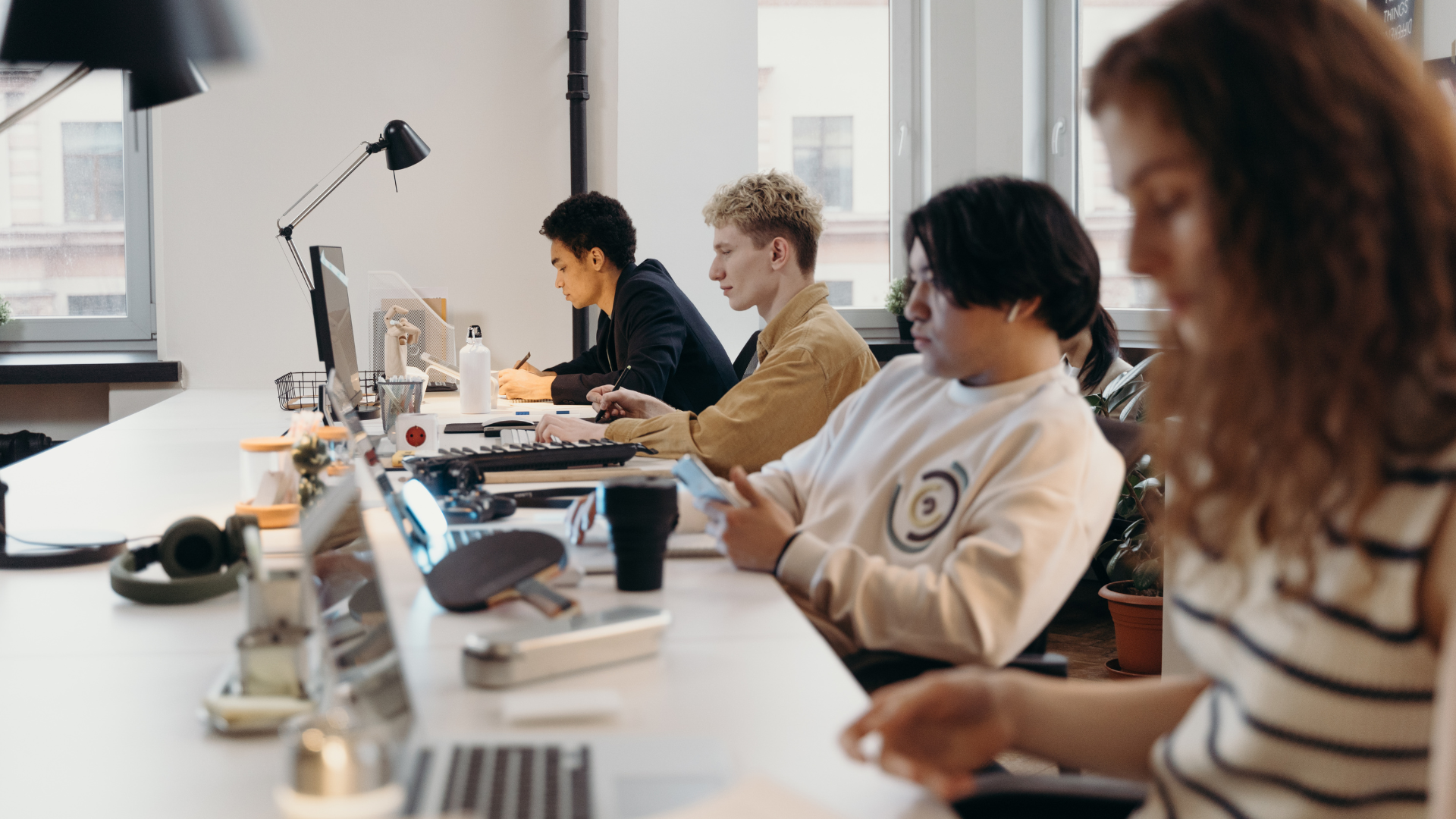
Many firms now focus on creating collaborative zones rather than individual desks, reflecting a move towards shared and multifunctional spaces. This trend is reshaping how commercial property markets respond to future office space needs.
Remote Work’s Immediate Impact on Office Demand
Remote work has significantly changed how businesses approach their office needs. This shift has led to a reduction in traditional office use, emerging trends in lease agreements, and a greater emphasis on cost efficiency.
Decline of Traditional Office Spaces
The demand for traditional office spaces has dropped sharply in recent years as more companies adopt remote and hybrid work models. Many businesses have reduced their physical footprint, leading to rising vacancy rates in central business districts and changing how commercial properties are being used.
In response, some firms have moved away from large, dedicated office setups in favor of smaller and more flexible workspaces. Others have adopted hybrid arrangements that require less permanent desk space and more adaptable layouts. As a result, landlords and property owners are under increasing pressure to redesign, repurpose, and modernize office buildings in ways that better align with evolving tenant expectations.
This shift has also encouraged greater focus on the long-term functionality and operational reliability of commercial properties. Beyond layout changes and aesthetic upgrades, many building owners are reassessing infrastructure needs to support modern business operations more effectively.
Areas such as energy efficiency, emergency preparedness, and backup power planning have become increasingly important during renovation and upgrade projects. In some cases, facility managers and property owners may also evaluate backup power suppliers and visit supplier websites such as powergeneratordepot.com when comparing available generator solutions for commercial spaces. These considerations reflect how commercial real estate strategies are increasingly tied to operational resilience and long-term building performance.
Shifting Patterns in Office Leases
Office leases have become shorter and more flexible. Companies prefer lease terms that allow adjustments based on changing remote work policies. Traditional long-term leases are less common as businesses seek to avoid long commitments.
Flexible leasing options such as coworking spaces and short-term rentals have grown. This shift allows businesses to scale office space up or down more easily. Lease negotiations now often include clauses related to remote work contingencies.
Cost Efficiency and Business Considerations
Remote work has made cost savings a priority in office space decisions. Reducing office size lowers rent, utilities, and maintenance expenses. Many companies are reinvesting savings into technology and employee benefits.
Businesses weigh the costs of maintaining physical offices against the productivity and satisfaction gains from remote work. This calculation influences decisions on whether to downsize, relocate, or rethink office design to support hybrid work environments.
The Rise of Hybrid and Flexible Workspace Models
The landscape of office demand is shifting with increased adoption of hybrid work models, flexible workspaces, and shared environments. These developments offer new ways for businesses to optimise space and support varied employee needs.
Hybrid Work Model Adoption
Hybrid work models combine remote and in-office work, allowing employees to split their time based on tasks or preferences. Many organisations have adopted these models to increase productivity while reducing office space requirements.
With hybrid work models, companies often redesign offices to include more collaboration zones instead of fixed desks. This shift lowers the total office footprint but demands smarter space management and technology integration to support seamless switching between remote and on-site work.
The rise of hybrid work has also affected hiring trends in commercial real estate. According to 2026 CRE compensation data, companies are increasingly investing in professionals who can manage flexible workplaces, technology integration, and changing office space requirements.
Flexible Workspaces and Hot-Desking
Flexible workspaces enable employees to choose where and when they work within the office. Hot-desking, a common feature, involves sharing desks rather than assigning a permanent one, which reduces the need for large dedicated seating areas.
Hot-desking promotes efficient use of office space by accommodating fluctuating attendance. However, it requires booking systems and cleaning protocols to maintain order and hygiene. This model is especially useful in hybrid work arrangements, balancing in-person collaboration with space savings.
Growth of Coworking and Shared Workspaces
Coworking spaces offer shared work environments, often leased by companies or individuals seeking flexibility without long-term commitments. They provide amenities, networking opportunities, and cost-effective alternatives to traditional offices.
The rise of coworking spaces correlates with the growth of hybrid work models, as companies use these spaces to accommodate employees who work remotely but occasionally require professional locations. Shared workspaces also appeal to freelancers and small businesses, further diversifying office demand patterns.
Many professionals now search for shared office space options that offer flexibility without sacrificing a sense of community. These environments can help reduce overhead costs while giving people access to meeting rooms, creative environments, and productive work settings. As work habits continue to evolve, shared spaces are becoming a practical middle ground between working from home and leasing a full-time office.
| Aspect | Impact on Office Demand |
| Hybrid Work Models | Reduces fixed office space, increases collaborative zones |
| Flexible Workspaces | Enables space efficiency through desk sharing |
| Coworking Spaces | Provides offsite options, lowers long-term office leases |
Changing Employee Preferences and Workplace Culture
Remote work has shifted the balance between professional and personal life, altered company dynamics, and broadened access to talent. Employees now value flexibility more than before, while organisations face new challenges in maintaining culture and inclusivity.
Employee Flexibility and Work-Life Balance
Employees increasingly prioritise flexible schedules, allowing them to manage home and work responsibilities more effectively. This shift reduces commuting time and stress, contributing to better mental health and productivity.
Many prefer hybrid models, splitting time between home and office, which helps maintain focus while addressing social or collaboration needs. Employers offering adaptable work arrangements often report higher retention and job satisfaction rates.
Flexibility is now a key factor in job selection, influencing employee engagement. Work-life balance improvements have also led to greater autonomy, allowing individuals to tailor their working hours to peak performance periods.
Company Culture Transformation
Remote work challenges traditional company culture by reducing face-to-face interactions. Organisations must find new ways to foster connection, such as virtual team-building and regular check-ins, to prevent isolation.
Transparency and communication tools like Slack or Microsoft Teams have become essential for maintaining alignment and shared goals. Leadership styles have shifted towards trust-based management, focusing on outcomes rather than hours worked.
Cultural inclusivity requires intentional efforts in virtual settings to ensure all employees feel valued. Companies are rethinking rituals and recognition practices to maintain morale and reinforce organisational values remotely.
Expanded Talent Pool and Inclusion
Remote work removes geographic constraints, enabling companies to hire from a wider and more diverse talent pool. This expansion benefits businesses by incorporating varied perspectives and skills that were previously inaccessible.
Inclusion has improved as remote setups accommodate people with disabilities or caregiving responsibilities more readily. Flexible hiring policies now embrace candidates regardless of location, promoting equity.
However, managing a dispersed workforce requires robust digital infrastructure and clear communication protocols. Organisations must balance global accessibility with local legal and cultural considerations when recruiting remote employees.
Technological, Real Estate and Future Trends
Technology advances, shifts in commercial real estate, and emerging workplace models are influencing how organisations manage office spaces. These changes affect communication efficiency, building utilisation, and design priorities for future offices.
Communication and Collaboration Tools
Digital tools like Zoom, Microsoft Teams, and Slack have become essential for remote communication. They enable real-time collaboration, file sharing, and video conferencing, reducing the need for physical presence.
Organisations invest in integrated platforms to streamline workflows across locations. This supports flexible schedules and hybrid work, ensuring team cohesion regardless of where employees are based.
Security upgrades are also critical as data moves across multiple networks. End-to-end encryption and multi-factor authentication protect sensitive information in cloud-based collaboration environments.
Impact on Commercial Real Estate
Demand for traditional office space is declining in many urban centres due to remote work adoption. Companies are downsizing or shifting to flexible lease agreements.
There is rising interest in co-working spaces, which offer scalable, cost-effective options for occasional office use. These spaces often include amenities designed for collaboration and innovation.
Building owners adapt by redesigning layouts, focusing on communal areas rather than individual desks. Enhanced air quality, touchless technology, and wellness features become key selling points.
This focus on user experience and operational efficiency extends to entry and exit points, where modern solutions are increasingly vital. For instance, the integration of advanced access systems can significantly improve building flow and hygiene, reducing contact points in high-traffic areas.
Such innovations not only support public health guidelines but also contribute to energy conservation by minimizing heat loss or gain. Businesses seeking to upgrade their premises with reliable and compliant entry solutions often consider Automatic Doors, which offer seamless accessibility and enhanced security for various commercial environments. These systems are designed to meet stringent safety standards, ensuring a smooth and efficient experience for all occupants.
| Change | Effect on Commercial Real Estate |
| Remote work increases | Reduced long-term leases, downsizing |
| Flexible work models | Rise of co-working and shared spaces |
| Health and safety focus | Investments in building upgrades |
Future Outlook for Office Spaces
Future offices will prioritise adaptability. Modular furniture and multipurpose rooms will accommodate varying team sizes and activities.
Hybrid work models will drive demand for offices as social hubs rather than daily workstations. Spaces will emphasise creativity, networking, and training instead of routine tasks.
Advanced digital infrastructure will be standard, supporting seamless transitions between remote and in-person work. Smart building systems will optimise energy use and occupant comfort.
These trends indicate a strategic shift, where office spaces complement rather than replace remote work capabilities.